










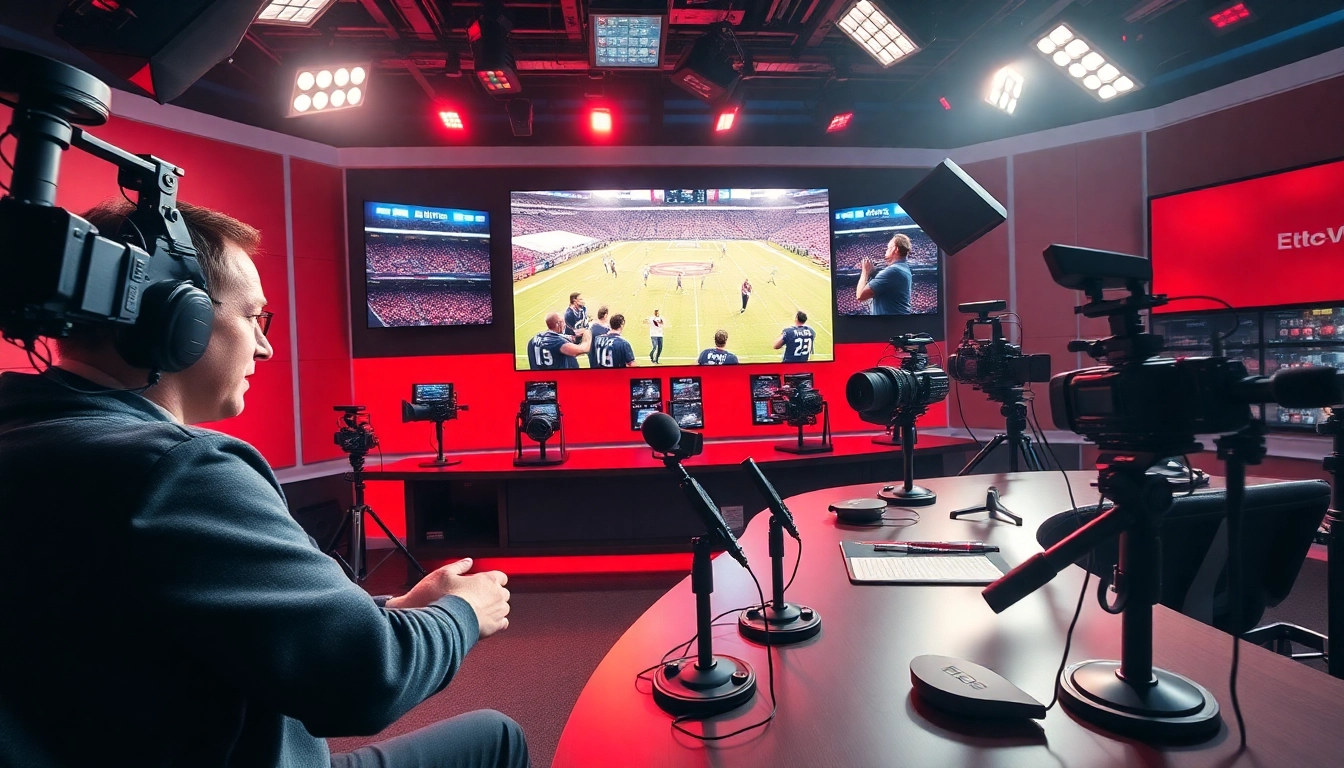
Introduction to Sports Broadcasting
In the ever-evolving world of sports, the ability to capture and broadcast events has become a pivotal aspect of the industry. Sports broadcasting encompasses the transmission of live sports events and related content via various media platforms, including television, radio, and online streaming. This dynamic field blends technology with storytelling, bringing sports to fans across the globe.
Definition and Importance of Sports Broadcasting
At its core, Sports Broadcasting is the art and science of delivering sports content to audiences. This encompasses not only the live telecast of games but also pre-game shows, analysis, interviews, and highlights. The significance of sports broadcasting lies in its ability to connect fans with their favorite teams and athletes, creating a shared community experience. Through broadcasting, fans can engage with their preferred sports in real-time, fostering loyalty and enhancing the overall sports culture.
Evolution and History of Sports Broadcasting
The history of sports broadcasting dates back to the early 20th century when radio became the first medium to broadcast live sports events. The first-ever live sports broadcast was a boxing match aired in 1921, marking the dawn of a new era. The subsequent growth of television in the 1950s revolutionized how sports were consumed. The introduction of color broadcasting made sports more appealing, further increasing viewer engagement.
As the decades progressed, innovations such as instant replay, slow motion, and graphical overlays transformed the viewing experience, allowing fans to engage with the content more intimately. The advent of the internet in the late 20th century led to the rise of digital platforms, which further diversified how sports are broadcasted. Today, sports broadcasting continues to evolve with technologies such as 4K Ultra HD, virtual reality, and mobile live-streaming, offering unprecedented access to sports content.
Key Players in the Sports Broadcasting Landscape
The sports broadcasting landscape is populated by various key players, each playing a vital role in the ecosystem. These include:
- Network Broadcasters: Large television networks like ESPN and NBC provide extensive sports coverage, shaping viewing habits and preferences.
- Digital Platforms: Streaming services such as Amazon Prime and YouTube are gaining traction, offering live sports and on-demand content, tailored to a younger demographic.
- Sports Teams and Leagues: Many teams and leagues now have their own broadcasting arms, controlling their content and audience engagement.
- Advertisers: Brands leverage sports broadcasting for promotional opportunities, creating engaging and targeted campaigns aimed at specific audiences.
- Production Companies: These entities handle the technical aspects of broadcasting, ensuring quality production, including camera work, editing, and sound management.
Types of Sports Broadcasting
Traditional vs. Digital Sports Broadcasting
Sports broadcasting can be broadly categorized into traditional and digital formats. Traditional broadcasting includes cable and satellite television or radio networks that have long been the backbone of sports coverage. These platforms typically require subscriptions and provide scheduled programming, often governed by stringent licensing agreements.
In contrast, digital sports broadcasting encompasses online streaming services that enable viewers to watch live games and events on demand via their devices. This format caters to a growing audience who prefer flexibility and mobility over traditional methods. Digital platforms often integrate social media functionalities, allowing for real-time interaction and community engagement.
Live vs. Recorded Sports Broadcasting
Live sports broadcasting is the epitome of immediacy, offering fans real-time access to events. This format relies heavily on the energy and excitement of live audiences, capturing raw reactions and moments that cannot be replicated. Broadcasters employ various tools, such as live commentary and real-time statistics, to enhance viewer experience.
On the other hand, recorded sports broadcasting allows viewers to consume content at their convenience. Highlights, recaps, and analysis programs offer fans a chance to revisit pivotal moments without the need to watch entire events. This type of broadcasting often provides in-depth analysis, allowing for a deeper understanding of game strategies and performances.
Radio vs. Television Sports Broadcasting
Radio sports broadcasting still holds a special place in the hearts of many fans, especially in regions where traditional television may not be as accessible. Radio provides a unique auditory experience, relying on the broadcaster’s skill to paint vivid pictures through words. Sports radio often includes talk shows that delve into commentary, interviews, and listener engagement.
Television sports broadcasting, however, offers a comprehensive experience with visual elements. The combination of video footage, graphics, and commentary allows for nuanced storytelling and viewer engagement. High-definition broadcasts and advanced technological features like augmented reality enhance the television viewing experience, drawing in larger audiences.
Technology in Sports Broadcasting
Essential Equipment and Tools
The backbone of sports broadcasting is its technology, which enables high-quality production and transmission. Essential equipment includes:
- Cameras: Multi-camera setups capture every angle of the action, ensuring that viewers do not miss critical moments.
- Microphones: High-quality microphones are crucial, as they capture commentary and sounds from the event, creating an immersive experience.
- Switchers: These tools allow operators to transition smoothly between different camera feeds and graphics, enhancing the broadcast’s professional finish.
- Editing software: Post-production editing helps create highlights and recap segments, allowing for professional-quality content to be shared afterward.
- Transmission equipment: Tools that facilitate the broadcasting signal delivery, such as satellite uplinks or streaming servers, are critical for reaching audiences.
The Role of Streaming Technology
Streaming technology has fundamentally altered the way sports are broadcasted. By allowing for real-time viewing, streaming enables fans to watch games on various devices, including smartphones, tablets, and smart TVs. This shift has fostered a more mobile society where audiences expect to access content anywhere, anytime.
Moreover, streaming platforms often incorporate features like video on demand (VOD), letting viewers catch up on missed events. Services have also introduced subscription models that offer exclusive content, enhancing user experience and maximization of revenue for sports entities.
Innovations Shaping the Future of Sports Broadcasting
The landscape of sports broadcasting is continuously evolving due to groundbreaking innovations. Artificial Intelligence (AI) is being increasingly utilized to analyze game data and provide real-time statistics. Virtual reality (VR) offers immersive experiences, allowing fans to feel as though they are part of the action. Enhanced viewer interaction through social media channels is being integrated into broadcasts, enabling fans to influence commentary, vote on highlights, or even participate in live discussions.
Moreover, 5G technology is enhancing streaming quality and reducing latency, providing a more seamless viewing experience, potentially leading to more interactive sports broadcasting. As these technologies continue to develop, the boundaries of how viewers experience sports will continue to expand.
Best Practices for Effective Sports Broadcasting
Preparing for Live Events
Successful sports broadcasting begins long before the cameras start rolling. Proper preparation is crucial for delivering a seamless broadcast. Teams should conduct pre-event briefings to outline responsibilities and expectations for everyone involved. Scenario planning can also help broadcasters address unexpected situations, whether it’s equipment failure or last-minute changes in the game schedule.
In addition, extensive research on teams, players, and the event itself lends credibility to commentators and enhances viewer engagement. Familiarity with the unique characteristics of each sport ensures that commentary is relevant and insightful.
Engaging the Audience through Commentary and Analysis
Commentary is arguably one of the most vital elements of sports broadcasting. Skilled commentators bring the game to life, providing context that enhances the viewing experience. Engaging storytelling, combined with knowledgeable analysis, allows viewers to form a deeper connection with the event. Using relatable language and keeping commentary lively maintains viewer interest.
Including expert analysts during breaks can also provide fans with deeper insights into game strategies, adding layers to the viewing experience. Audience interaction via social media can further enhance engagement, creating a two-way dialogue between broadcasters and viewers.
Maintaining Ethical Standards in Sports Broadcasting
Ethics in sports broadcasting are paramount. Broadcasters must adhere to principles of fairness, accuracy, and respect for the athletes and the sport itself. Distinguishing between personal opinion and objective reporting is essential to maintain credibility. Furthermore, transparency regarding sponsorships and advertisements is crucial while delivering unbiased analysis.
Handling sensitive topics, such as player injuries or personal issues, requires tact and consideration. Balancing the need for storytelling with respect for privacy remains a critical aspect of responsible sports broadcasting.
Measuring Success in Sports Broadcasting
Key Performance Indicators (KPIs) to Monitor
Measuring success in sports broadcasting involves tracking various KPIs that help assess performance and viewer engagement. These include:
- Viewership Ratings: The number of viewers tuning in to broadcasts is a primary measure of success.
- Audience Reach: Understanding the demographics and geographic reach of the audience can inform marketing and content strategies.
- Advertising Revenue: The income generated from advertisements within broadcasts indicates commercial success.
- Fan Engagement: Interactive features and metrics related to social media engagement provide insight into how well the content resonates with audiences.
Audience Engagement Metrics
Engagement metrics are critical for understanding how content is received by audiences. These include social media interactions, such as likes, shares, and comments, during and after broadcasts. Surveys and polls can also provide valuable feedback on viewer satisfaction and content preferences.
Monitoring the number of repeat views for recorded content can offer insights into audience loyalty and interest in specific events. By analyzing these metrics, broadcasters can refine their strategies to better meet audience expectations.
Adapting Strategies Based on Viewer Feedback
Viewer feedback is vital for the continual evolution of broadcasting strategies. Utilizing tools such as post-event surveys or social media polls allows broadcasters to gather insights directly from their audience. Analyzing this feedback enables networks to adapt content and delivery styles, ensuring that they remain relevant and engaging.
In addition, broadcasters can leverage data analytics tools to identify trends in viewing habits, enabling them to make informed decisions about programming and marketing strategies. This adaptability fosters a responsive broadcasting environment that resonates with the evolving preferences of sports fans.
What is sports broadcasting?
Sports broadcasting refers to the transmission of live sports events and related content via television, radio, or online platforms.
How has technology impacted sports broadcasting?
Technology has enhanced sports broadcasting through high-definition visuals, real-time analytics, and streaming capabilities, improving viewer experience.
What are the key roles in a sports broadcasting team?
A typical sports broadcasting team includes hosts, analysts, camera operators, and technical staff working together to deliver live updates and insights.
How can one improve their sports broadcasting skills?
To enhance skills, practice regularly, seek feedback, and learn from experienced professionals in the industry while staying updated on trends.
What metrics should I track in sports broadcasting?
Important metrics include viewer ratings, audience engagement levels, social media interaction, and advertisement effectiveness to gauge success.